By Jason McLaughlan, Western Fence Company
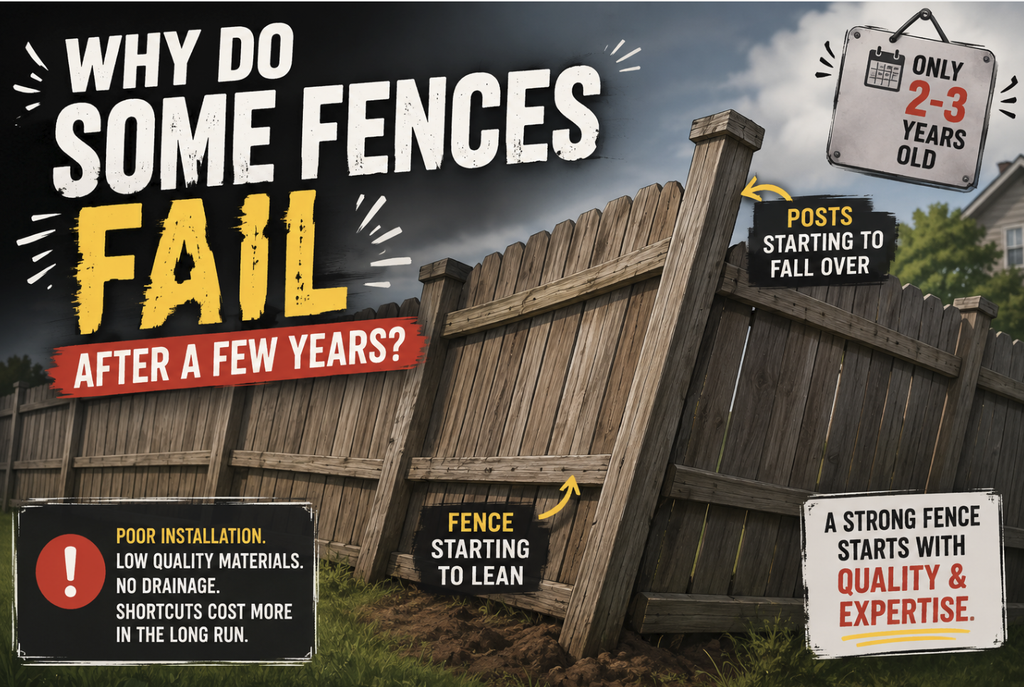
In my years in the fencing industry, I’ve seen just about every installation mistake you can imagine. A fence is an investment in your home’s security, privacy, and curb appeal, but a bad installation will destroy that value in a matter of seasons.
Whether you’re planning a DIY project or hiring a contractor, these are the three most common—and costly—fence installation mistakes to avoid.
1. Digging Post Holes Too Shallow
If there is a cardinal rule in fencing, it’s this: a fence is only as strong as its footings.
The most frequent error I catch is post holes that don’t go deep enough. In regions with freezing winters, your post holes must extend below the local frost line. If they don’t, winter frost heave will push the concrete footings upward, leaving you with leaning posts and a wavy fence line come spring. As a general rule, at least one-third of the total post length should be in the ground.
2. Ignoring Local Regulations & Utility Lines
Before you pick up a shovel, you need to clear two major administrative hurdles:
- Utility Lines: Never dig without calling 811 to mark underground utility lines. Hitting a gas, water, or electric line is extremely dangerous and expensive to repair.
- Permits and Heights: Local building codes and HOAs often have strict rules regarding fence height, materials, and set-backs from property boundaries. Installing a 6-foot privacy fence where only 4 feet is allowed means tear-down day will come sooner than you think.
3. Setting Fence Posts Directly on Soil (Or Poor Drainage)
Concrete gives your posts structural stability, but how you set that concrete matters. Placing a wooden post directly onto bare dirt at the bottom of the hole creates a water trap. Moisture pools around the base, accelerating wood rot from the inside out.
The fix: Always put a few inches of gravel at the bottom of the hole before pouring concrete to allow water to drain away from the post base.
Do It Right the First Time
Taking shortcuts on site preparation, hole depth, or materials might save a few hours today, but it leads to expensive repairs tomorrow. Take your time, double-check your local codes, and build a foundation that lasts.