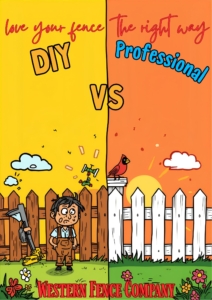
DIY projects are satisfying. Cleaning, tightening, painting—these feel like accomplishments. But fences are more complicated than they appear. Without experience, small mistakes can shorten the lifespan of your fence, create safety risks, and increase costs in the long run.
Jason McLaughlan, CEO of Western Fence Company and fourth-generation owner, knows this intimately. He saved the company from near ruin and built it into Utah’s oldest and most trusted fence business. He has seen every kind of fence mistake imaginable. Jason says that just as we rely on experts for health, cars, and home systems, a fence benefits from professional expertise.
Fences face unique challenges. Utah weather can warp wood, corrode metal, and shift soil around posts. Subtle signs of damage, like small cracks, leaning posts, or rusting metal, are easy to miss but can compromise structural integrity. Professionals understand how materials perform over decades, the best ways to reinforce them, and how to prevent recurring problems.
February is the perfect month to treat your fence like self-care. Even if you enjoy some DIY attention, having experts inspect, repair, or reinforce your fence ensures it will last. Western Fence Company combines craftsmanship, experience, and care to maintain fences that are beautiful, strong, and durable.
Give your fence the care it deserves. Professional attention ensures it continues to protect, enhance, and frame your home for decades. This month, love your fence the way it deserves.



Love Your Fence Back
A fence protects what matters most. Loving your fence back is how you return the favor.
Fence maintenance is one of the most overlooked aspects of homeownership in Utah. Small acts of care can dramatically extend the life of a fence and prevent costly repairs.
How to care for your fence in Utah
Wood fences benefit from regular inspections and resealing every few years. Look for early signs of cracking, splintering, or moisture damage near ground level.
Vinyl fences should be cleaned periodically to remove mineral buildup and dirt. Clearing snow away from panels prevents unnecessary stress.
Metal fences should be checked for chips in coating and moving parts like hinges should be lubricated seasonally.
Preventing small issues from becoming big ones
Loose boards, leaning posts, or dragging gates are easier and cheaper to fix early. Ignoring them allows damage to spread.
Western Fence Company educates every client on how to care for their fence because maintenance is part of long term loyalty.
A relationship worth maintaining
A fence that is cared for protects longer, looks better, and performs better. Loving your fence back is not complicated. It is consistent.
Built to Stay
Some fences are built to look good on installation day. Others are built to stay.
At Western Fence Company, our goal is not temporary curb appeal. Our goal is permanence. Utah homeowners and businesses need fences that hold their ground through windstorms, snow drifts, and years of daily use.
What built to stay really means
A fence that is built to stay is engineered, not guessed. Soil conditions vary across Utah. Elevation, exposure, and usage all matter.
A residential fence in West Valley City faces different challenges than a commercial fence in Park City or a property along the Wasatch Front.
Western Fence Company evaluates every site individually. We adjust post spacing, footing depth, and reinforcement to match real conditions, not averages.
Materials that stand their ground
Not all materials perform equally in Utah.
Wood fences require pressure treated posts and proper sealing to prevent premature rot and splitting.
Vinyl fences must be reinforced internally to prevent bowing during temperature swings.
Metal fences must be coated and installed to resist corrosion from soil and road salt.
Built to stay means choosing materials that match the environment and installing them with care.
Long term thinking
CEO Jason McLaughlan leads Western Fence Company with a focus on durability and accountability. A fence should not need constant repair. It should quietly do its job for years.
That is what built to stay looks like.
Loyal Fences Last Longer
Loyalty is not flashy. It is consistent. That is true in relationships and it is absolutely true when it comes to fences in Utah.
A loyal fence is one that shows up season after season, holds its line, and keeps doing its job long after the excitement of installation fades. At Western Fence Company, we build fences designed to last because Utah’s climate does not forgive shortcuts.
Why Utah fences fail early
Utah presents unique challenges that many homeowners do not consider when choosing a fence. Extreme temperature swings cause materials to expand and contract. Heavy snow loads stress panels and gates. Dry summers pull moisture from wood. High winds test every post.
Fences that are not designed for these conditions often fail within a few years. Leaning posts, cracked boards, warped panels, and sagging gates are signs of a fence that was never built for Utah.
What makes a fence loyal
A fence that lasts longer starts with proper planning. Material selection matters, but so does how that material is installed.
At Western Fence Company, we focus on:
• Post depth set below frost line
• Proper drainage around posts
• Materials rated for ground contact
• Reinforcement where wind or slope demands it
• Hardware designed for freeze and thaw cycles
These details are invisible once the fence is complete, but they are the difference between a fence that survives and one that thrives.
Experience makes the difference
Under the leadership of CEO Jason McLaughlan, Western Fence Company has built a reputation as a trusted Utah fence company because we prioritize long term performance over speed.
Loyal fences last longer because they are built correctly from the ground up.
Why DIY Fence Care Can Only Take You So Far
DIY projects are satisfying. Cleaning, tightening, painting—these feel like accomplishments. But fences are more complicated than they appear. Without experience, small mistakes can shorten the lifespan of your fence, create safety risks, and increase costs in the long run.
Jason McLaughlan, CEO of Western Fence Company and fourth-generation owner, knows this intimately. He saved the company from near ruin and built it into Utah’s oldest and most trusted fence business. He has seen every kind of fence mistake imaginable. Jason says that just as we rely on experts for health, cars, and home systems, a fence benefits from professional expertise.
Fences face unique challenges. Utah weather can warp wood, corrode metal, and shift soil around posts. Subtle signs of damage, like small cracks, leaning posts, or rusting metal, are easy to miss but can compromise structural integrity. Professionals understand how materials perform over decades, the best ways to reinforce them, and how to prevent recurring problems.
February is the perfect month to treat your fence like self-care. Even if you enjoy some DIY attention, having experts inspect, repair, or reinforce your fence ensures it will last. Western Fence Company combines craftsmanship, experience, and care to maintain fences that are beautiful, strong, and durable.
Give your fence the care it deserves. Professional attention ensures it continues to protect, enhance, and frame your home for decades. This month, love your fence the way it deserves.
Your Fence Sets the Tone for Your Home
Most people do not think about fences as much more than boundaries, but they are often the first thing people notice about a property. A fence is the frame of your yard, the silent introduction to your home. A clean, well-built fence signals pride, attention to detail, and care. A sagging, weathered fence communicates neglect, even if the rest of the home looks perfect.
At Western Fence Company, we have spent over a century helping homeowners make the right first impression. Jason McLaughlan, owner and CEO and the fourth-generation leader of Utah’s oldest fence company, believes fences are statements. He saved the company from near ruin and built it into a thriving business rooted in family values, craftsmanship, and second chances. His philosophy applies to fences as well: give them attention, and they will elevate your home.
February is the perfect time to give your fence a little love. Walk along your yard and see it through fresh eyes. Notice the posts, the panels, and the gates. Are there scratches, warps, or rust spots? Even small improvements, like tightening screws, washing panels, or painting touches, make a fence look cared for and inviting.
A fence that is maintained and beautiful creates instant curb appeal. It enhances the property, protects your home, and frames the yard with style and purpose. At Western Fence Company, we specialize in fences that do more than define a boundary. We create fences that invite admiration and pride.
Give your fence the attention it deserves this month. A little love now will make a big difference all year long.
Why Fences That Are Loved Last Longer
Not all fences are created equal. Some are cheap and temporary, while others are investments that last for decades. The difference is care, quality, and expertise.
Jason McLaughlan, owner and CEO of Western Fence Company, often says fences are like stories. A well-crafted fence tells a story of care, craftsmanship, and durability. Western Fence Company has been telling those stories for over a century, making us Utah’s oldest and most trusted fence company. Jason saved the company from collapse and built it into a family business grounded in second chances, mentorship, and mastery.
Quality materials matter, but they are only part of the equation. Proper installation, attention to detail, and regular maintenance keep a fence strong for decades. Think of this month as the perfect time to love your fence like you would care for yourself. Tighten screws, clean panels, and make sure everything is secure. Small acts now prevent major repairs later.
Fences are investments in beauty and function. A fence that is loved and cared for enhances your home, provides security, and adds decades of value. Western Fence Company specializes in creating fences that are built to last and designed to impress.
Schedule a professional inspection and show your fence the love it deserves.
The Fence Is Talking. Are You Listening
Your fence communicates. A squeaky gate, a leaning post, warped boards, or rust forming quietly signal that it needs attention. Most homeowners ignore these signs, but ignoring them only leads to bigger, costlier repairs.
Jason McLaughlan, owner and CEO of Western Fence Company, knows this better than anyone. He saved the company from near ruin and transformed it into a thriving family business built on craftsmanship, mentorship, and second chances. Jason applies the same philosophy to fences. Small problems addressed early keep fences strong and beautiful for decades.
Think of fence maintenance as a weekend self-care routine for your home. Walking your fence, noticing subtle issues, and addressing them before they grow saves money and preserves aesthetics. A fence that receives consistent attention continues to protect, frame, and enhance your property.
Western Fence Company has been the standard for fencing expertise in Utah for over a century. Our team knows how materials perform, how weather impacts structure, and how design choices affect longevity. Listening to your fence and acting on its signals is one of the best investments you can make in your home.
Schedule an inspection this February to keep your fence healthy and strong.
Love Your Fence Like It Loves You
February is the month of love. We think flowers, chocolates, and cards are great, but have you ever considered showing your fence some love? It stands outside every day, guarding your home, marking your yard, and taking the weather like a champ. It asks for nothing in return and yet is essential to your home’s appearance, security, and value.
At Western Fence Company, we see what happens when fences are neglected. Even the strongest materials can fail without attention. Jason McLaughlan, the fourth-generation owner and CEO, transformed this Utah institution from near ruin into a thriving family business. Jason believes in second chances for both people and fences. Small attention today can prevent major headaches tomorrow.
Think of fence maintenance as self-care for your property. Walk along your fence this weekend and notice small dents, loose boards, or panels that have shifted. Cleaning, tightening hardware, and minor repairs can dramatically extend the life of your fence. A little care now will give your fence decades of faithful service.
A well-maintained fence is also an investment in aesthetics. It adds charm, curb appeal, and a sense of pride to your home. At Western Fence Company, we love helping homeowners fall in love with their yards again. Treat your fence well, and it will return the favor.
Schedule a professional inspection this month and give your fence the attention it deserves.
Why Choosing a Local Utah Fence Company Matters More Than Ever
Not all fences are created equal, and neither are fencing companies.
Choosing a local Utah fence company means working with professionals who understand Utah’s climate, soil conditions, city regulations, and property types.
Utah Conditions Require Experience
From rocky soil to frost depth and high winds, Utah presents unique challenges that out-of-state contractors often overlook.
Generations of Knowledge
Western Fence Company is Utah’s oldest fencing company, owned and operated by the same family for four generations. CEO Jason McLaughlan continues a legacy built on craftsmanship, integrity, and long-term relationships.
Quality Over Shortcuts
Local companies stand behind their work. When repairs, adjustments, or upgrades are needed, you’re working with a team that will still be here.
Invest in the Right Fence
A fence is an investment in your property’s value, safety, and appearance. Choosing experience ensures it’s done right the first time.
Wood vs Chain Link Fencing in Utah: How to Choose the Right Fence for Your Property
Choosing the right fence in Utah depends on how you use your property, your budget, and how much privacy you need.
At Western Fence Company, Utah’s oldest fencing company, we help homeowners make this decision every day.
Wood Fencing in Utah
Wood fencing is ideal for privacy and aesthetics. It works well for backyards, families, and homeowners who want a natural look. With proper installation and maintenance, wood fences can last many years in Utah’s climate.
Chain Link Fencing in Utah
Chain link fencing is practical, durable, and cost-effective. It’s a great option for large yards, pets, and commercial properties. Modern finishes offer better longevity and a cleaner appearance.
Which Fence Is Right for You
Choose wood fencing if privacy and design matter most.
Choose chain link fencing if durability and function are the priority.
The most important factor in either choice is proper installation by an experienced Utah fence company.
Experience Matters
Western Fence Company has installed wood and chain link fences across Utah for generations. Under the leadership of CEO Jason McLaughlan, the company continues to deliver quality workmanship backed by experience.