Winter Patience and the Fence That Slowly Tests It
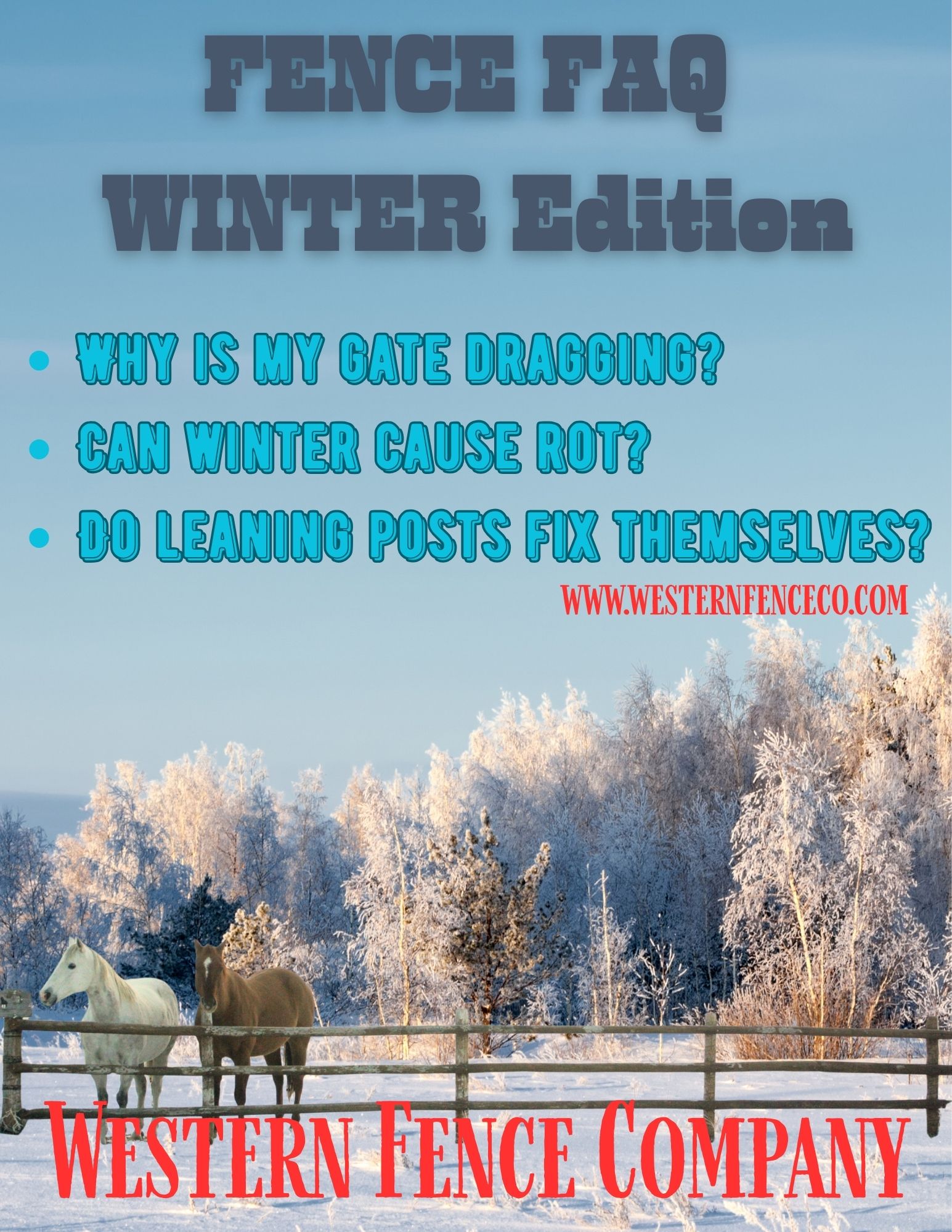
Winter forces homeowners to practice patience whether they want to or not. Projects get postponed. Outdoor repairs get pushed aside. And fences quietly take advantage of the season.
Unlike storm damage that happens all at once, winter fence damage is gradual. Snow accumulation adds consistent weight to rails and panels. Frozen ground restricts movement while freeze thaw cycles repeatedly expand and contract the soil. Moisture becomes trapped around posts and below the surface, creating the perfect conditions for shifting and rot.
Most of this damage happens where you cannot see it.
A fence can look stable while posts are slowly loosening underground. Gates are often the first clue. If a gate starts dragging, sticking, or swinging differently than it did before winter, it is usually a sign that the posts have shifted. Leaning sections, uneven tops, and gaps at the bottom of panels are also common early indicators.
Patience often leads homeowners to wait until spring, and that instinct makes sense. Cold weather makes repairs uncomfortable and difficult. The problem is not waiting. The problem is assuming the fence is fine simply because it is still standing.
Spring reveals what winter started.
As the ground thaws, posts that shifted during winter may not settle back into place. Water damage that began below ground becomes visible. What could have been a simple repair may now require additional labor or replacement of sections that were weakened over time.
The most effective approach is awareness. Walking your fence line after heavy snowfall or during early thaw periods can help you spot changes before they worsen. Pay attention to gates, post alignment, and any areas where water tends to collect.
A professional inspection in early spring can identify issues that are easy to miss and address them before they escalate. In many cases, reinforcing or resetting posts early can significantly extend the life of the fence.
Winter teaches patience.
Your fence teaches awareness.
Both matter if you want your fence to last.
How can I tell if winter damaged my fence?
Look for leaning posts, uneven fence lines, and gates that drag or no longer latch correctly. These are often early signs that posts shifted during freeze thaw cycles.
Is it normal for fences to lean a little after winter?
Minor movement can happen, but noticeable leaning usually means the footing or soil around the post was compromised. It rarely fixes itself without intervention.
Why do gates show problems before the rest of the fence?
Gates rely on precise alignment. Even small shifts in posts caused by frozen or expanding ground can make gates stick or sag before other damage becomes obvious.
Can winter moisture really cause rot if the fence looks fine?
Yes. Moisture often collects below ground where it cannot dry properly. Rot frequently starts at the base of posts and is not visible until it has progressed.
Should I repair fence damage in winter or wait until spring?
Emergency issues should be addressed immediately. For most damage, early spring is ideal because the ground is workable and underlying problems are easier to evaluate.
How does a spring inspection help save money?
Catching shifted posts or early rot can prevent full section replacements. Small repairs early often extend the life of the entire fence.